


You’ve waited all week. You finally get out to your property, pull the memory card from your game camera, and… now what? The excitement of seeing what walked by is met with a frustrating reality: that little plastic card won’t plug into your phone. For years, the common answer was to bring the card home to a computer, but a simple gadget changes everything. To learn more, check out Link megaxwin
This pocket-sized solution is a game camera card viewer. Think of it as a small adapter that creates a bridge, letting your phone, tablet, or a dedicated handheld screen read the photos directly from your camera’s SD card. It’s the difference between hoping you got the shot and knowing you did before you even leave.
As you begin your search, you’ll find that these viewers generally come in two main flavors: simple adapters that plug into your smartphone, and all-in-one dedicated viewers with their own built-in screens. Deciding between these two styles is the most important step, and the right choice depends entirely on your gear and how you prefer to check your cameras.
Why You Need a Game Camera Card Viewer
The reason you need one is simple: your phone’s charging port and the wide shape of your camera’s SD card are like two puzzle pieces that just don’t fit. A wildlife camera SD card reader is the missing piece that connects them, creating a bridge for your photos to travel from the card to your phone’s screen.
Beyond just seeing your pictures, this tool gives you a huge advantage. By viewing photos on the spot, you can immediately confirm your camera is aimed perfectly, the batteries are still good, and the lens is clear. You’ll know instantly if you need to make an adjustment, saving you from a wasted week of capturing nothing but blurry leaves.
Phone Adapter vs. Dedicated Viewer: Which Style is Right for You?
When it comes to choosing a card viewer, you have two main styles to consider. It’s a choice between using the powerful screen already in your pocket or carrying a separate, all-in-one gadget. Making the right pick depends entirely on how you prefer to operate out in the field, so let’s look at the pros and cons of each.
The most common option is a Phone Adapter. This is a small cable or “dongle” that plugs directly into your phone’s charging port on one end and has a slot for your camera’s SD card on the other.
- Pros: It’s incredibly small, lightweight, and uses your phone’s large, high-quality screen.
- Cons: It relies on your phone’s battery, which can be a concern on long days outdoors.
The other style is a Dedicated Viewer. This is a standalone, portable SD card viewer with its own screen, battery, and controls. Think of it as a small, rugged digital photo frame made specifically for this one job.
- Pros: It has its own power source so it won’t drain your phone, and it’s often built to handle rougher use.
- Cons: It’s another electronic device to carry, charge, and keep track of.
Ultimately, if you prioritize traveling light and always have your phone on you, the simple adapter is a fantastic choice. However, if you’re worried about your phone’s battery life or just want a tough, purpose-built tool, a dedicated viewer is the way to go.
The Most Important Choice: Matching a Viewer to Your iPhone or Android
If you’ve decided a phone adapter is the perfect lightweight solution, there’s one crucial detail that makes all the difference: matching the plug to your specific phone. A viewer made for an iPhone won’t work on an Android phone, and vice versa, because the physical plugs are completely different shapes.
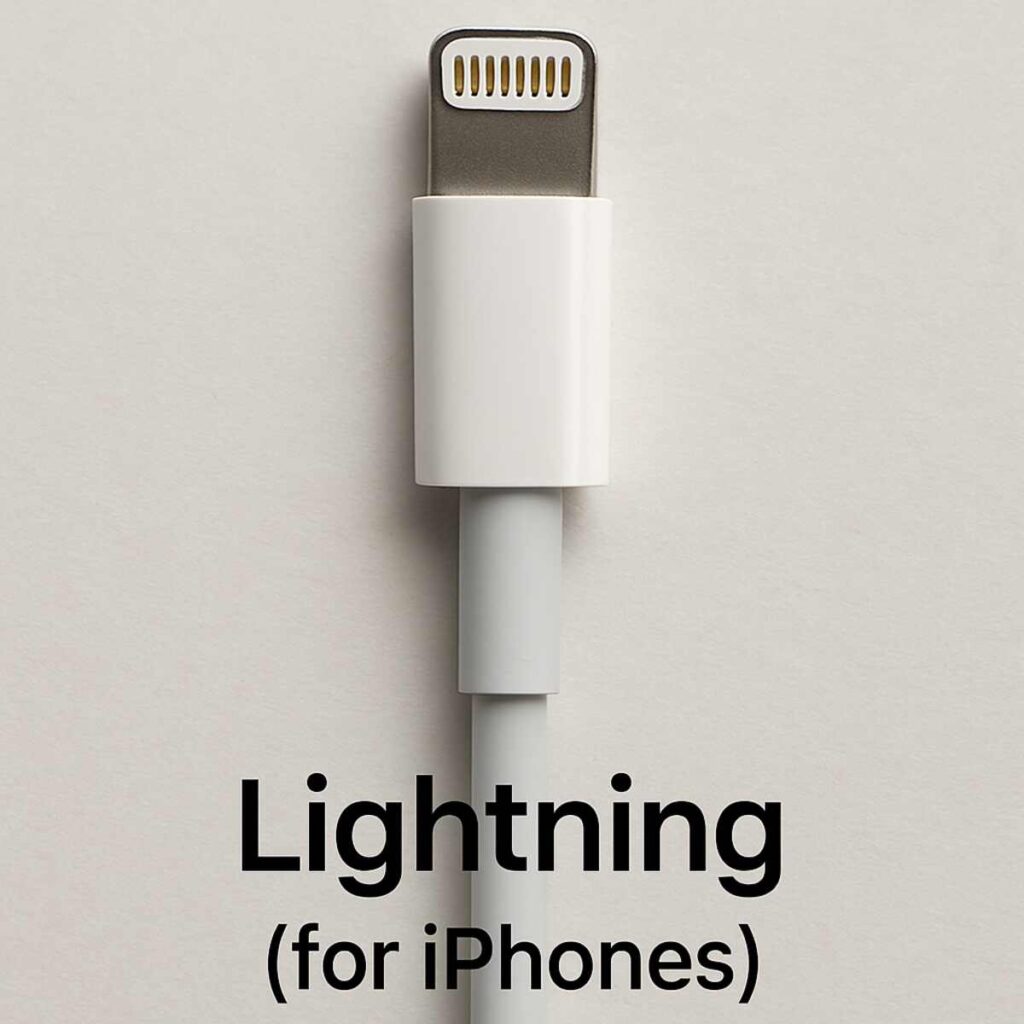
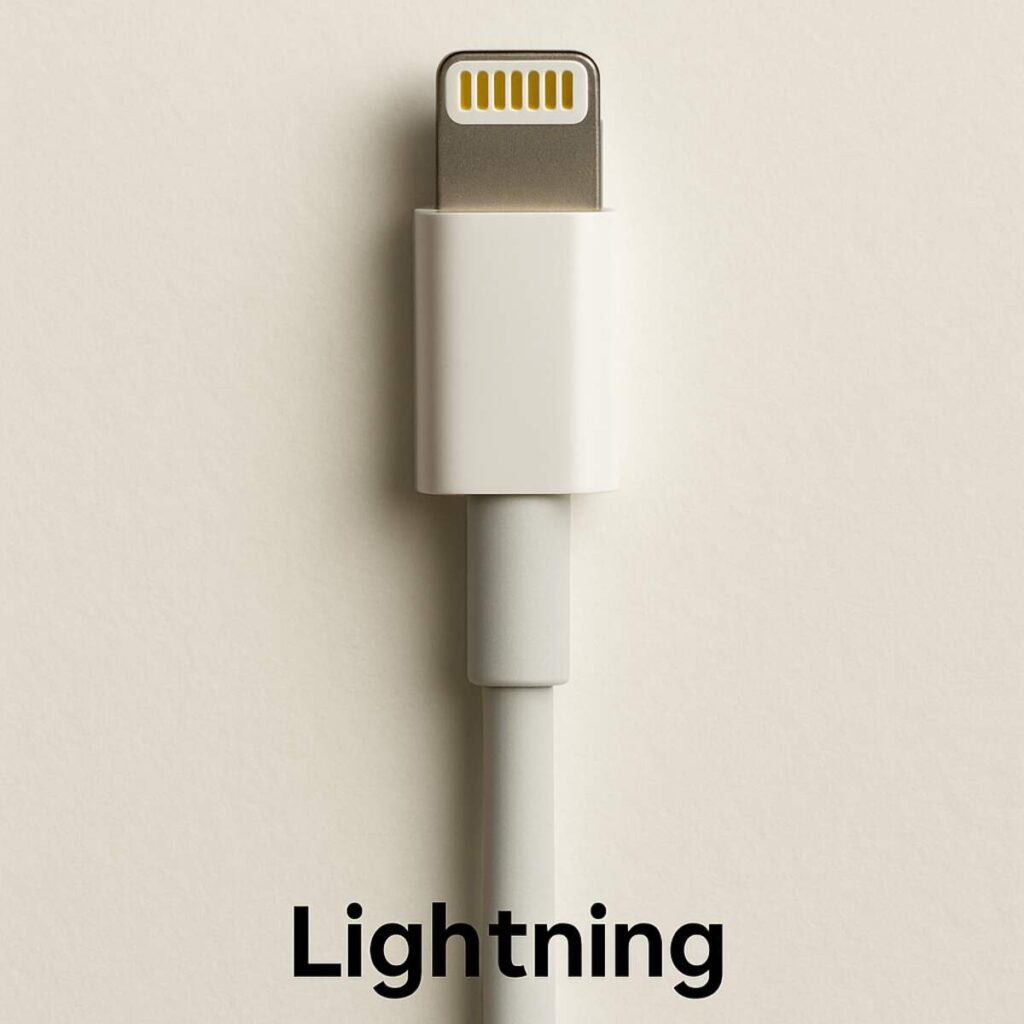
To find out which one you need, just look at the charging port on the bottom of your phone. If you have an iPhone, you have a Lightning port, which is small and symmetrical. Most modern Android phones (like Samsung and Google Pixel) and newer iPads use the slightly larger, oval-shaped USB-C port. Simply match what you see on your device to the correct adapter.
Making sure you choose the correct plug ensures your new card viewer will work right out of the box. You’ll be able to transfer those exciting photos from your trail cam SD card to your phone in seconds.
What to Look For in a Dedicated Viewer with a Screen
If the idea of a simple, all-in-one gadget sounds better than fiddling with your phone, a dedicated viewer is your best bet. These portable SD card viewers are built for checking photos quickly in the field, but not all are created equal. Look for three game-changing features that separate the top-rated models from basic ones.
- A Bright, Clear Screen: You’ll be looking at photos outdoors, often in bright sunlight. A screen that’s easy to see in the glare is essential.
- An Easy Zoom Function: Is that a big buck deep in the woods or just a weirdly shaped tree branch? A viewer with a zoom function lets you magnify the image to inspect details on the spot.
- A Simple Delete Button: Free up precious space on your memory card by deleting blurry photos or the 50 pictures of a raccoon you don’t need. This ensures your camera has room to capture what you’re really after.
These simple features transform a basic screen into a powerful field tool, giving you instant answers and control over your trail camera.
How to View Your Trail Cam Pictures on Your Phone: A 3-Step Guide
So you chose the phone adapter—excellent choice for staying light on the trail. Getting those pictures from your camera’s card onto your phone screen is a plug-and-play process that takes just a few seconds.
Your 3-Step Process:
- Plug It In: Connect the card viewer directly to your phone’s charging port.
- Insert the Card: Slide the SD card from your game camera into the slot on the viewer.
- Find Your Photos: This is the only part that differs by phone.
- On an iPhone or iPad: Open your Photos app. A new “Import” tab will automatically appear at the bottom. Tap it to see and select your pictures.
- On an Android: Open your phone’s built-in file manager, usually called “Files” or “My Files.” The SD card will show up like a USB drive, allowing you to browse and save your images.
And that’s it! You’re now ready to view, save, and delete photos right in the field.
Smarter Scouting: How to Manage Your Memory Cards in the Field
The real magic of a card viewer isn’t just seeing photos—it’s about making your time in the woods more efficient. Instead of lingering at your camera site, perform a quick “card swap.” Simply pull the full memory card, pop in a fresh, empty one, and be on your way in under a minute. This dramatically reduces your scent and disturbance in the area.
Once you’re back at the truck or relaxing at camp, you can go through the photos from the card you just pulled. Carry a couple of extra, inexpensive SD cards, and you’ll always have an empty one ready for the next camera on your route.
Your viewer also acts as a powerful diagnostic tool. By quickly viewing photos, you can answer critical questions on the spot. Is the camera aimed too high? Are the pictures blurry from a branch blowing in the wind? A quick glance gives you the chance to fix problems right then and there.
Finally, after saving your favorite shots to your phone, you can confidently delete all the images from the SD card. This ensures you always have plenty of space for the next round of photos and never have to worry about a “card full” error.
Troubleshooting: What to Do When Your Card Viewer Isn’t Working
You’ve followed the steps, plugged your viewer into your phone, and… nothing happens. This is a common and incredibly frustrating moment, but the fix is usually very simple. The number one reason an SD card viewer isn’t working is that a thick phone case is preventing it from plugging in all the way. Remove the case and try again; you’ll likely hear a satisfying click as it seats properly.
If that doesn’t solve the problem, run through this quick checklist:
- Is it plugged in all the way? As mentioned, take off your phone case to ensure the viewer makes full contact with the port.
- Is the SD card inserted correctly? Most viewers have a tiny diagram showing which way the card should face. Eject the card and re-insert it to be sure.
- Did you unplug and replug it? Sometimes simply unplugging the viewer and plugging it back in is all it takes to get your phone to recognize it.
Nine times out of ten, one of these simple actions will get you back to viewing your photos.
Cellular Cams vs. Card Viewers: Do You Need to Pay a Monthly Fee?
The idea of skipping the card-pulling process entirely introduces you to the world of cellular trail cameras. These devices build a cell phone directly into the camera itself. When a picture is taken, the camera instantly texts or emails it to you, no matter where you are.
The convenience, however, comes with two important requirements. First, a cellular camera needs a monthly data plan to send photos, which means a recurring subscription fee. Second, and most critically, the camera must be in an area with reliable cell service. If your phone doesn’t get at least a couple of bars in that location, the camera won’t be able to send you anything.
In contrast, the traditional trail camera and card viewer system has no monthly fees and works perfectly in the most remote valleys where cell signal is nonexistent. If your hunting spot has strong cell service and you value instant notifications, a cellular cam might be worth the cost. But if you hunt in remote spots or prefer a one-time purchase with no recurring bills, the classic camera and card viewer remains the simple, effective solution.
Your Action Plan: Never Wait to See Your Photos Again
You’re no longer stuck holding a memory card, wondering how to get the photos onto your screen. The frustration of waiting until you get home is over. You now have the knowledge to bridge the gap between your camera and your phone, turning a moment of uncertainty into one of instant discovery.
The decision boils down to a clear choice: a lightweight adapter that plugs into your phone, or a dedicated, all-in-one viewer with its own screen. If you opt for the phone adapter, just remember the most important rule: get the right plug for your device—Lightning for an iPhone or USB-C for an Android.
You can now confidently check your camera’s aim, manage your cards in the field, and see what walked by just seconds after you pull the card. The wait is officially over.