


You have likely been told that a traditional four-year college degree is the only reliable path to a stable, well-paying career. Yet, while millions of university graduates are taking on an average of $40,000 in student debt, others are stepping directly into $40,000 starting salaries. This alternative route skips the financial burden entirely. Select the best electrical panel upgrade Highlands Ranch.
Rather than paying tuition to sit in a lecture hall, you enter the workforce immediately through an “earn while you learn” model. This approach completely flips the traditional education script. By joining paid on-the-job training programs, you collect a steady paycheck from day one while mastering a highly respected craft.
Think of an apprentice as a “student-employee” who bridges the gap between the classroom and the construction site. You are a professional in training, working alongside a veteran mentor to light up local grocery stores or wire new homes. Every hour spent pulling cables translates into both practical knowledge and actual income.
Your financial compensation actually grows in tandem with your hands-on experience. Over roughly four years, you follow a clear roadmap from a beginner to a Journeyman—a fully licensed electrician capable of working independently. Each new technical skill you master unlocks a scheduled, guaranteed bump in your hourly pay rate.
Demand for these skilled workers continues to outpace the available supply across the country. According to the Bureau of Labor Statistics, the electrical trade is growing faster than the national average for all occupations. This massive industry growth means that apprentice electrician jobs offer incredible job security alongside their competitive starting wages.
Starting this journey requires understanding exactly how your paycheck will evolve over time. Finding the right electrician apprenticeship sets the foundation for a lucrative, lifelong career without the looming stress of college loans.
What is an Apprentice Electrician?
When people ask what is an apprentice, they often picture someone fetching coffee or sweeping floors on a job site. But in the electrical trades, an apprentice is a professional student-employee rather than a simple manual helper. You are not just doing temporary grunt work; you are following a structured curriculum that combines full-time, paid daytime labor with formal classroom instruction.
To ensure you learn the trade safely, you spend every day working alongside a Journeyman (a fully licensed electrician who has finished their own training and can work independently). This mentor-student relationship is the backbone of electrician apprentice jobs. Instead of sitting in a lecture hall reading about electricity, you learn the actual trade by pulling wire through walls and installing fixtures under expert supervision.
This unique earn-while-you-learn model means you skip the heavy student debt associated with traditional college degrees. Because your new technical abilities translate into more value for your employer as you master the craft, your compensation is directly tied to your learning milestones. That built-in career progression ensures your compensation directly reflects your advancing skills.
The Salary Ladder: Why Your Paycheck Grows Every 1,000 Hours
Most traditional jobs offer unpredictable annual reviews, but the apprentice pay scale is a guaranteed, transparent ladder. Your hourly wage is calculated strictly as a percentage of what a fully licensed Journeyman makes. As you gain hands-on experience and become more valuable on the job site, your slice of that target wage automatically increases.
Instead of waiting a full calendar year to hope for more money, your raises are tied directly to working roughly 1,000 hours—which is about six months of full-time work. This unique, performance-based system means the average salary for first year electrical apprentices actually grows twice before year two even begins. A standard milestone progression looks like this:
- 0 to 1,000 hours: 50% of Journeyman rate
- 1,000 to 2,000 hours: 55% of Journeyman rate
- 2,000 to 3,000 hours: 60% of Journeyman rate
Hitting these milestones provides incredible financial security because your path to top pay is mathematically predictable, with every hour logged bringing you closer to your next scheduled raise.
First-Year Pay Expectations: Starting at 50% of Journeyman Rates
Stepping onto a job site initially, you are what the industry calls “green”—a completely inexperienced worker. Because you are learning the trade from scratch, your entry level pay reflects this starting point, typically opening at 50% of a licensed Journeyman’s hourly rate. While making half of the top-tier wage might sound low at first glance, remember that you are earning a paycheck to receive a professional education rather than taking on student debt.
National figures help you build a realistic starting budget before you commit to the career change. The Bureau of Labor Statistics places the median wage for fully licensed electricians around $60,000 to $65,000 annually. Based on that 50% metric, the average salary for first year electrical apprentices usually lands between $15 and $20 per hour, depending on your local cost of living. This math gives you a solid, predictable financial baseline during those initial 1,000 hours of training.
That hourly wage is merely the foundation of your overall financial picture. Take-home cash is only one piece of the puzzle, especially since many apprenticeships also cover classroom tuition and provide health benefits. To truly understand your real earning potential, it is essential to look beyond the hourly rate and evaluate the total compensation package provided by your employer.
Union (IBEW) vs. Non-Union: Comparing Total Compensation Packages
Choosing your path means deciding between two distinct worlds: the union route through the International Brotherhood of Electrical Workers (IBEW) or the non-union path, typically called an “open shop.” While both avenues teach you the trade, they structure your paycheck and career trajectory very differently.
The biggest financial difference lies in understanding your “Total Package.” In an open shop, your base wage might look competitive on paper, but you often pay out of pocket for healthcare and retirement. Conversely, union workers receive a total package where contractor-paid health insurance and pension contributions are stacked completely on top of their weekly take-home pay.
When weighing an IBEW vs non-union apprenticeship, consider how these distinct models align with your personal goals:
- Union (IBEW): Delivers robust electrical union benefits, guaranteed raises, and structured schooling, but the initial acceptance process can be highly competitive and slow.
- Non-Union (Open Shop): Provides faster entry into the field and potential for rapid advancement based on skill, though long-term retirement and health benefits depend heavily on the specific employer.
Securing the right fit depends entirely on your immediate financial needs and long-term career vision. For those willing to navigate a rigorous application timeline, the union’s collaborative training centers provide unmatched stability. This powerful combination of debt-free education, scheduled wage increases, and premium healthcare is exactly why JATC apprenticeships are considered the ‘gold standard’ for aspiring electricians.
Why JATC Apprenticeships Are Considered the ‘Gold Standard’
The secret behind this reputation is a partnership called the Joint Apprenticeship and Training Committee (JATC). Think of a JATC facility as an elite, tuition-free technical college funded by the union and local employers. During this rigorous electrician apprenticeship, you learn standardized techniques in modern labs before applying them safely on actual construction sites.
Graduation brings an incredible reward known in the trade as “The Ticket,” which is your official Journeyman Card. This credential acts like a universal career passport. Because the curriculum is standardized nationwide, an electrician who earns their ticket in Chicago can easily secure high-paying work in Seattle. This unmatched geographic freedom is exactly why finding local JATC training centers becomes a top priority for serious candidates looking to build a lifelong career.
Securing one of these coveted spots requires patience, as acceptance rates often rival those of prestigious universities. Thousands of applicants compete annually for a handful of openings, meaning you might wait a year or longer just to start working. For those needing an immediate paycheck without the lengthy wait, non-union opportunities offer a viable alternative.
The Flexibility of Non-Union Electrical Jobs
For those who cannot afford to wait, the “open shop” route offers an immediate solution. Open shop simply means working for a private, non-union electrical contractor. Instead of navigating a massive bureaucratic system, you apply directly to local businesses offering apprentice electrician jobs. If they like your work ethic, you could start getting paid on a job site the very next Monday.
A major benefit of this direct-hire model is the incredible variety of hands-on experience you will gain. In a non-union apprenticeship, smaller contractors often tackle a wide mix of projects. You might wire a neighborhood grocery store one day and install lighting in a custom home the next, helping you quickly discover which tasks you enjoy most.
Choosing this independent path does come with trade-offs, particularly regarding long-term compensation. Private contractors rarely match the robust retirement and healthcare packages offered by unions. However, whether you prefer the immediate start of an open shop or a highly structured union program, both competitive routes require proving your potential, which usually begins with passing a standardized entrance exam.
Mastering the Electrical Apprenticeship Aptitude Test
Proper electrical apprenticeship aptitude test preparation is usually the main key to passing the entrance exam that launches your career. Whether applying through a union (IBEW) or an independent program, this assessment acts as a universal filter. Think of it as a specialized SAT for the trades, proving you possess the basic problem-solving skills needed to safely learn electrical work.
Math forms the first major hurdle on this exam. You do not need to understand advanced calculus to pass, but a solid grasp of Algebra 1 is absolutely mandatory. Electricians regularly calculate wire sizes and bending angles, requiring everyday comfort with basic equations, fractions, and decimals. If high school math feels like a distant memory, brushing up on these foundational concepts is the most critical part of IBEW test prep.
Beyond crunching numbers, the test measures how accurately you process written information. Reading comprehension matters deeply because apprentices constantly consult strict safety manuals and complex building plans. The exam will ask you to read short passages and extract specific details, proving you can follow written instructions without making dangerous errors on a busy construction site.
Because the assessment is strictly timed, creating a realistic study schedule is your best defense against testing anxiety. Practicing with a running clock trains your brain to pace itself effectively across both the math and reading subjects. Once your daily study routine is firmly established, you will be prepared to tackle the specific challenges of both the math and reading portions.
Concrete Tips for the Algebra and Reading Comprehension Sections
Tackling the math section feels less intimidating when you know exactly what to study. Excellent electrician math tips usually emphasize focusing on high school algebra and utilizing free online platforms. To build your confidence, concentrate your aptitude test prep on these specific tools and topics:
- Khan Academy: A completely free website offering step-by-step algebra refreshers.
- Trade Prep Sites: Websites offering specialized practice tests that simulate the real exam.
- Solving Variables: Practice finding “x” in basic equations.
- Fractions and Decimals: Essential math for accurately measuring conduit (electrical pipe).
Shifting to the reading comprehension portion, your success relies on identifying the main idea and making logical inferences. You will read short, informational passages that closely resemble job-site safety manuals. Instead of reading the entire text immediately, scan the questions first so you know exactly which specific details to hunt for.
Building familiarity with these specific question types naturally eliminates the fear of the unknown, greatly reducing test-day anxiety. Once you conquer this exam, you earn the right to officially begin your apprenticeship. Your next major career choice involves deciding where to work, ensuring you join a program that officially counts toward your long-term goals.
Department of Labor Registered Programs vs. Unregistered Shops
Landing your first job feels like a massive victory, but accepting an offer from an unregistered electrical contractor can quietly jeopardize your future. Many eager beginners take jobs with small, unverified shops only to discover years later that their hard work doesn’t officially count toward their journeyman license. These unofficial roles might pay you today, but they offer zero guarantees that the state licensing board will recognize your experience tomorrow.
Protecting your career means actively verifying that your employer participates in department of labor registered apprenticeship programs. When you join one of these officially sanctioned programs, your employer is legally bound to provide structured, supervised training that meets strict government standards. This official stamp of approval transforms your daily labor from a simple paycheck into verified, undeniable progress toward your final electrical license.
The absolute biggest advantage of this official route is the guarantee of portable hours. Because your apprentice hours tracking occurs through a standardized federal or state system, your earned experience travels with you even if you move across the country. Instead of starting over from scratch, your registered hours stay securely in your name. With your job-site training officially secured, evaluating the classroom portion means weighing the value of on-the-job training against the high costs of traditional trade schools.
Trade School vs. Electrical Apprenticeship: Saving $20,000 in Tuition
Deciding how to enter the field introduces a hidden expense known as opportunity cost—the money you miss out on while sitting in a classroom. Traditional students expect to rack up debt, but many aspiring tradespeople don’t realize the cost of electrician training varies wildly depending on your route. If you spend nine months paying $15,000 for a pre-apprenticeship program, you also lose out on the $30,000 you could have earned working on a real job site during that exact same time.
Evaluating trade school versus electrical apprenticeship comes down to the fundamental difference between “paying to learn” and “getting paid to learn.” Because contractors heavily prioritize hands-on experience over textbook theory, a direct apprenticeship is usually the superior financial move. Consider this cost-benefit comparison:
- Apprenticeship: Benefit: Immediate hourly wages, zero tuition, and fast-tracked licensing. Cost: Highly competitive to enter with long waitlists.
- Trade School: Benefit: Easier to enroll and provides a safe environment to learn basics. Cost: High tuition and massive missed earning potential.
Despite the heavy price tag, paying for technical school isn’t always a mistake. If you live in a highly competitive area where local union waitlists are years long, a short certificate program serves as a valuable stepping stone. This classroom foundation proves to wary employers that you understand basic tool safety.
Once you secure that first official position, the practical education finally begins. Your initial assignments will likely place you in familiar environments rather than complex industrial plants. Most beginners actually cut their teeth pulling wire in everyday houses, often beginning with the foundational skills of residential wiring.
Residential Work: Learning the Basics in New Home Construction
Most people picture electricians fixing a broken light switch, but the real training ground is often an unfinished house. For those landing their first apprentice electrician jobs, new residential construction provides the perfect classroom. You aren’t dealing with dangerous live power yet; instead, you learn how a home’s electrical nervous system is built from scratch while earning roughly $18 to $22 an hour to start.
The core of this phase revolves around the “rough-in”—the physical process of running cables through bare wooden wall studs before the drywall goes up. You will spend your days drilling holes and pulling miles of Romex, which is the flexible, plastic-coated wire standard in modern homes. Nailing these repetitive basics builds the hands-on foundation needed to eventually install complex breaker panels and safely power heavy appliances.
Mastering these everyday household systems ultimately unlocks the door to running your own profitable local service business down the line. However, wiring suburban bedrooms represents just one side of the trade. When comparing residential versus commercial electrical training, stepping away from flexible home cables to bend heavy metal pipes inside massive buildings introduces entirely new skills, driving many tradespeople toward the complex, high-voltage environments of commercial and industrial sites.
Commercial and Industrial Electrical Paths: High-Voltage Opportunities
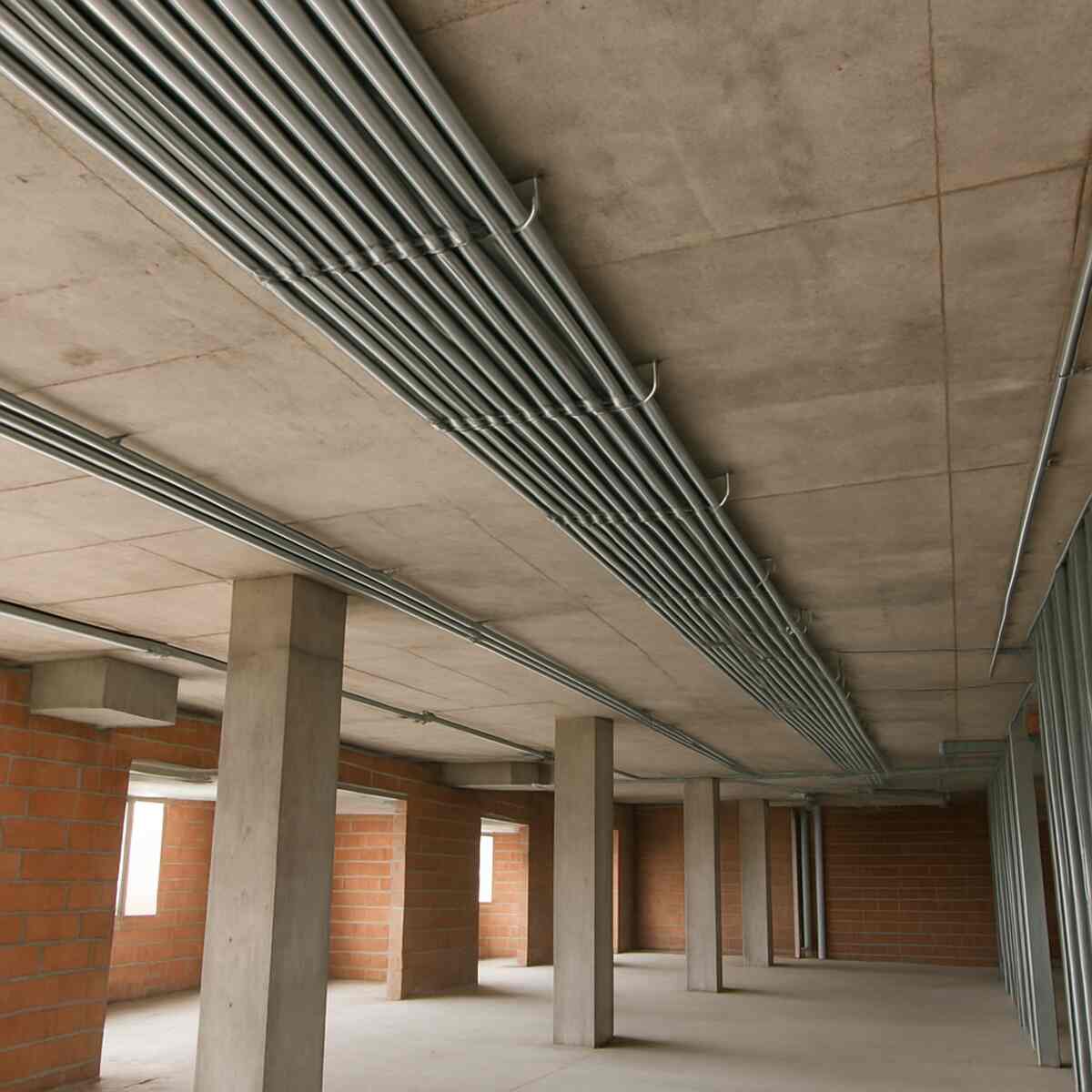
Leaving behind the wooden studs of home construction, apprentices stepping into commercial electrical training enter a world of concrete and steel. Instead of pulling flexible plastic cables through walls, you will learn to measure, cut, and bend conduit—the rigid metal piping that protects wiring in large-scale buildings. This heavy-duty shielding is absolutely essential when wiring massive infrastructure like local hospitals, shopping malls, or downtown high-rises.

The stakes and the physical demands increase significantly when you move into factory settings and seek out high voltage apprentice jobs. Industrial power distribution involves pulling incredibly thick cables and connecting massive equipment designed to run manufacturing plants, requiring serious physical stamina. Because this large-scale work demands specialized safety protocols and complex pipe-bending math, these commercial projects typically offer much higher hourly wages and stronger union benefits than basic residential wiring.
Navigating these massive job sites might sound intimidating, but no contractor expects a brand-new worker to bend complex pipe layouts immediately. Every master electrician started by mastering the absolute basics, making your first days on the site a critical period for observing and absorbing foundational protocols.
Entry-Level Electrical Helper Duties: What You’ll Do on Day One
Stepping onto a busy construction site can feel overwhelming, but no one expects you to wire a power panel on your very first day. When working as an apprentice with no experience, your initial ninety days are focused purely on learning the environment. You are a paid student, and your first lesson is simply understanding how a professional site operates safely.
Your primary entry level electrical helper duties will revolve around material handling and tool fetching. Instead of connecting live power, you will learn to instantly identify basic supplies on sight, such as metal junction boxes, spools of copper wire, and plastic connectors. By anticipating what your supervising journeyman needs before they even ask, you become incredibly useful to the team without requiring constant, step-by-step direction.
Every single master electrician started their career by sweeping floors and organizing the work area. Mastering job site cleanup is never a punishment; it prevents dangerous tripping hazards and teaches you exactly where every tool belongs. Building these fundamental safety habits prepares you for the physical rhythm and daily expectations of a construction site.
A Typical Day on the Job: From 7 AM Starts to Site Cleanup
An apprentice work schedule usually kicks off bright and early, making your alarm clock your most important tool. Arriving at a typical project, like a local school renovation, by 6:45 AM gives you time to gear up. The day officially begins with a “tailgate safety meeting”—a brief morning huddle where the crew gathers to discuss daily goals and spot potential dangers. This routine ensures everyone is aligned before a single wire is pulled.
Once the huddle wraps up, the physical hustle begins. A typical day in the life of an electrician apprentice demands both stamina and mental focus. You might spend the morning hauling heavy metal conduit up stairs, then switch to closely watching a journeyman expertly bend that pipe around tight corners. Because you are constantly absorbing new technical information while performing manual labor, pacing yourself throughout the forty-hour week is crucial to avoid burnout.
Afternoon cleanup usually starts around 3:00 PM, returning your focus to site organization. Securing materials finishes out the shift, leaving you tired but closer to mastering your craft. While recognizing this daily rhythm is essential, navigating a construction zone without injury requires specialized awareness and a strict adherence to safety protocols.
Safety First: Understanding Arc Flash and Basic Job Site Hazards
Navigating a busy construction site means dodging more than scattered tools. Your most critical lesson in electrical apprentice safety is spotting everyday dangers, from avoiding unexpected falls off ladders to steering clear of heavy machinery moving overhead. This intense focus on physical awareness ensures you safely go home in the exact same condition you arrived.
Beyond basic construction risks, you must deeply respect electricity’s invisible danger. Apprentices never perform “hot work”—which means working on circuits actively carrying live power. To guarantee wires stay dead, electricians use LOTO (Lock Out, Tag Out). Placing a physical padlock and warning tag on a power breaker gives you absolute control over your personal safety while your hands are in the wiring.
A single careless mistake around energized equipment can lead to terrifying consequences, like an arc flash. This specific hazard is an explosive, intensely hot release of energy caused by an electrical short circuit. Grasping these arc flash basics early builds the cautious mindset needed to safely master the trade. Staying injury-free keeps you progressing on schedule, allowing you to focus on accumulating the thousands of hours required for your final license.
The 8,000-Hour Timeline: How Long Does an Apprenticeship Take?
When people ask how long does an electrical apprenticeship take, the magic number is usually 8,000 hours. This translates to roughly four years of full-time work, making it the trade equivalent of a bachelor’s degree. Instead of paying massive tuition to sit in college lectures, you earn a consistent weekly paycheck while building a high-demand career.
Breaking down the math reveals exactly how much control you have over your own progression. A standard work year yields about 2,000 hours, assuming typical forty-hour weeks with basic time off for holidays. Picking up extra weekend shifts or working overtime directly accelerates your progress toward graduation, while taking extended time off will naturally stretch out your training.
Reaching that final hour unlocks your “ticket,” which is the industry term for your official journeyman license. This permanent credential guarantees higher pay and the freedom to work independently anywhere you choose. Before you can start logging those valuable hours on your journeyman timeline, however, you must officially enter the system by registering as a trainee with your local licensing board.
State Licensing Requirements: Navigating the Trainee Registration
Before logging a single hour, you need an official permission slip. While state licensing requirements for electrical trainees vary, nearly all mandate carrying an active “Trainee Card” or apprentice registration. This ID badge proves you are legally allowed to learn on a job site under a master electrician, and it guarantees your work hours actually count toward your future journeyman timeline.
Figuring out exactly how to get an electrical trainee card involves a quick two-step check. First, search online for your State Board of Electricity, which generally issues the broad, state-wide licenses required to work legally within state lines. Next, verify if your city requires additional local permits, since major metropolitan areas sometimes enforce their own stricter labor rules than the state itself.
Once your paperwork clears and the state recognizes your trainee status, your practical education begins. Getting registered gets you onto the construction site, but working safely means you must quickly learn the technical standards that protect you and the public from electrical hazards. Your next major milestone involves mastering the fundamental rules of the National Electrical Code to protect yourself and the public.
National Electrical Code (NEC) Basics: The Rulebook for Beginners
Stepping onto a job site, you will quickly hear experienced electricians reference the “Code.” They mean the National Electrical Code (NEC), a massive rulebook often called the trade’s Bible. As a beginner learning the NEC, your main job is understanding these strict guidelines because they ensure the homes and businesses you wire never catch fire.
Safety standards must adapt quickly to protect the public from emerging hazards. Because society constantly invents new ways to consume power—like installing electric vehicle chargers in garages—the NEC is officially updated every three years. Mastering national electrical code basics for beginners requires accepting that your practical education will continuously evolve alongside modern technology.
Memorizing this giant manual cover-to-cover is impossible, so apprentices learn to navigate its index to find specific rules based on the exact task at hand. Looking up the legal wire thickness for a simple kitchen outlet becomes easy once you understand the search process. With a solid grasp of safety standards, you are finally ready to equip yourself with the physical tools needed for the job.
Essential Tools for New Apprentices: The $300 Starter Kit
Showing up on your first day empty-handed is a quick way to look unprepared, but you also don’t need to empty your savings account. Setting aside a $300 budget for the essential tools for new electrical apprentices guarantees you have what you need without overspending. The secret is buying trade-quality gear rather than cheap “homeowner” tools that will bend or break after a week of heavy construction use.
Experienced workers agree that the best tools for electricians start with five non-negotiable core items, specifically highlighting Linesman Pliers (heavy-duty pliers used to grip, twist, and cut wire) and a Voltage Tester (a safety pen that beeps if a wire is dangerously “live” with power). Your complete top 10 first-day toolkit should include:
- Linesman pliers
- Voltage tester
- Wire strippers
- Basic multi-meter
- Tape measure
- Phillips screwdriver
- Flathead screwdriver
- Utility knife
- Tool pouch
- Notepad and pen
Spending your initial cash on these specific, high-quality basics prepares you for the physical reality of the job site. Once your tool belt is packed, the next hurdle is identifying local contractors or training centers currently hiring.
Finding Local JATC Training Centers and Open Opportunities
Equipping your tool belt is only half the battle; now you need a place to work. A reliable starting point for your job hunt is Apprenticeship.gov, a federal database designed to connect beginners with registered trade programs. Typing your zip code into this free tool instantly reveals approved companies hiring nearby.
If you prefer the union path, your next step is finding local JATC training centers through the official IBEW directory. The International Brotherhood of Electrical Workers organizes its members into regional branches simply called “Locals.” Searching for your nearest Local online provides the exact address and phone number for the union office managing applications.
For those exploring the non-union side, a basic Google Maps search for “electrical contractors near me” can uncover dozens of highly rated residential and commercial shops. Calling these local businesses directly is a highly effective way to discover unadvertised apprentice electrician jobs. Once you secure a meeting with a contractor or a union director, your primary focus shifts to proving your reliability and readiness.
Ace Your Interview: How to Show You’re Reliable and Ready
Stepping into an electrician apprentice interview is intimidating, but contractors do not expect you to know how to wire a house. Their biggest priority is finding a reliable worker. In construction, this requires trade punctuality—meaning if your shift starts at 7:00 AM, you are fully dressed in your boots by 6:45 AM. Arriving early proves you respect the crew’s time and takes priority over existing technical knowledge.
Hiring managers also look for mechanical aptitude, which is your natural ability to understand how physical things fit together. Figuring out how to get hired as an electrician often comes down to sharing everyday examples of this trait. You do not need professional construction experience to impress them. Simply explaining how you change your car’s oil, fix bicycles, or build garage shelves proves you are comfortable working with your hands.
The final non-negotiable requirement for nearly every shop is a valid driver’s license. Apprentices constantly travel between different residential homes or commercial job sites during the week, making personal transportation essential. Highlighting your clean driving record alongside your strong work ethic makes you an ideal candidate. With these core expectations clear, you can confidently execute an action plan to launch your new career.
Your 30-Day Action Plan to Landing an Apprentice Electrician Job
You no longer have to wonder if a mountain of student debt is the only way to build a stable, high-paying career. You now understand the “earn while you learn” model and have a clear map for how to become a journeyman electrician. Instead of sitting in a lecture hall, you can step directly onto a job site and get paid to master a high-demand trade.
The 8,000-hour licensing requirement might sound intimidating, but it is simply four years of full-time, paid work. To beat the paralysis of overthinking, you need a timeline visualization that turns big goals into simple actions. Think of the next 30 days as the foundation for the next 30 years of your professional life.
Here is your concrete four-week roadmap to land and start an apprenticeship:
- Week 1: Research both union and non-union training centers in your immediate area.
- Week 2: Update your resume to highlight your reliability, teamwork, and hands-on hobbies.
- Week 3: Brush up on basic high school algebra to prepare for the aptitude test.
- Week 4: Submit your official applications and call local contractors to introduce yourself.
As you execute this plan to go from interested to employed, keep your eyes on the ultimate goal. The journeyman license waiting at the end of this journey is far more than just a certificate. It is your permanent ticket to recession-proof skills, unmatched job security, and lasting financial freedom.
Everyone starts somewhere. A lifelong career in the electrical trades begins with a single step: researching your local training centers. Your future as an independent, skilled professional awaits.
